From Bare Lawn to Finished Curb Appeal: A Front Yard Makeover That Actually Works
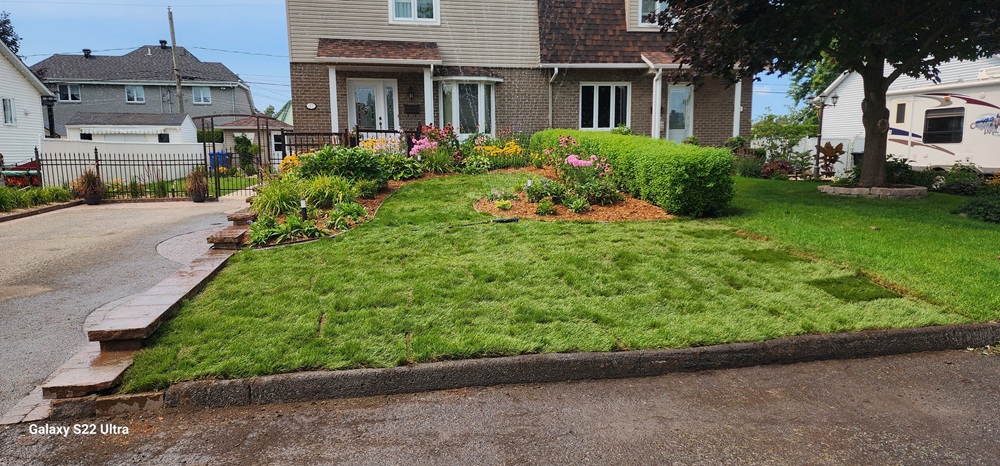
I’ll be honest. My front yard used to be the house on the block people politely didn’t mention. A flat rectangle of patchy grass, a concrete walkway with a crack running through it, and one lonely shrub that had seen better days. If that sounds familiar, keep reading. Turning a boring front yard into something you’re actually proud of is more doable than you’d think, and you don’t need a massive budget to get there.
Start With What You See From the Street
Before buying a single plant or paver, walk across the street and look at your house. Stand where a visitor, mail carrier, or potential buyer would stand. What do you notice first?
For most homes, the eye goes to the front door, then the walkway, then the landscaping around the foundation. That’s your priority order. If those three things look good, the whole property feels put together. If even one of them is off, it drags everything else down.
Take a photo from the street. Print it out or pull it up on your tablet. Sketch directly on it. Circle what bugs you. Draw in what you’d like to see. This quick exercise saves you from the common trap of buying random plants at the garden center and hoping they’ll look right.
The Walkway Changes Everything
I’m putting this before plants and gardens because it’s the single biggest visual upgrade most front yards can get. A cracked, narrow concrete path screams “we stopped caring in 1997.” A clean walkway with good proportions instantly modernizes the entire front of the house.
Standard walkway width is 36 inches, which is fine for one person. But if you have the space, bumping it to 48 inches makes the whole approach feel more generous. It’s the difference between squeezing past and actually being welcomed.
Material choices range widely. Interlocking pavers are popular because they handle freeze-thaw cycles well and come in patterns that complement almost any house style. Natural flagstone gives you that organic, timeless look but costs more and needs a solid base to stay level. Poured concrete with a brushed finish is the budget option, and honestly, it looks clean if it’s done right.
If your walkway also needs steps (common on properties with any grade change), make sure the proportions are comfortable. Outdoor steps feel best with a 15 cm rise and 30 cm tread depth. Anything steeper and visitors instinctively feel uneasy, even if they can’t explain why.
Foundation Planting: The Frame Around Your House
Think of foundation plantings like a picture frame. They define the edges, add depth, and make the main subject (your home) look intentional. Without them, even a beautiful house sits on the lot like a box dropped from the sky.
Layer in three depths. Taller shrubs or small trees go in the back, closest to the house. Medium-height plants fill the middle. Low groundcovers or perennials line the front edge along the lawn or walkway. This creates visual depth that flat, single-row plantings can’t match.
A few things that work in almost any climate:
- Boxwood or similar evergreen hedges along the foundation give year-round structure. They stay green when everything else goes dormant.
- Hydrangeas in a partially shaded spot add big, showy blooms from midsummer into fall. They fill space quickly.
- Ornamental grasses along a walkway edge bring movement and texture. They sway in the breeze, which makes the yard feel alive.
- Low-growing junipers or creeping thyme as groundcover beneath taller plants eliminates bare soil and cuts down on weeding.
Avoid planting anything too close to the house. Big shrubs jammed against the siding trap moisture and block airflow. Leave at least 60 cm between mature plant size and the wall.
The Front Door Moment
Your front door is the focal point. Everything else in the yard should lead the eye toward it. A few small changes here can have an outsized impact.
Paint or replace the door if it’s faded or dated. A bold door color against a neutral exterior creates instant contrast. Deep navy, forest green, and matte black are all safe bets that read as intentional rather than flashy. A gallon of quality exterior paint costs around $50 and takes an afternoon.
Flank the door with planters. One oversized planter (think 45-60 cm tall) with a seasonal arrangement beats a pair of matching small pots. The 2026 trend in outdoor decor is moving away from perfectly matched sets and toward single statement pieces in natural materials like stone, weathered concrete, or raw clay.
If you have a porch light, replace it. A modern fixture with warm-toned LED light makes the entry feel inviting at night and costs under $100. This is one of those upgrades you’ll notice every single time you come home after dark.
Dealing With a Bare or Patchy Lawn
If your grass is thin, patchy, or just giving up, you have two options: rehab it or replace it.
Rehabbing works if at least 50% of the lawn is healthy grass. Aerate, overseed with a grass blend rated for your climate zone, top-dress with a thin layer of compost, and water consistently for three weeks. Fall is the ideal time, but early spring works too if you stay on top of watering.
Replacing makes more sense when the lawn is mostly weeds, bare soil, or the wrong grass type entirely. Sod gives you an instant result. It’s more expensive than seed, but you walk out to a finished lawn instead of babysitting germination for a month. Professional sod installation runs between $1.50 and $4.00 per square foot depending on your region, prep work needed, and the company you hire.
Here’s a thought worth considering: you don’t have to cover the entire front yard in grass. Replacing some lawn area with garden beds, a gravel border, or a wider walkway reduces maintenance and often looks better than an unbroken stretch of turf.
Adding a Focal Feature
Every front yard benefits from one thing that catches the eye. It doesn’t need to be expensive or complicated.
A small ornamental tree is the classic choice. Japanese maples, dogwoods, or crabapples all work depending on your region. Planted off-center between the walkway and the property edge, a single specimen tree transforms the scale of the entire yard.
A boulder or natural stone grouping gives a more understated, organic feel. Two or three stones of different sizes, partially set into the ground so they look like they’ve always been there, paired with some low plantings around the base. It sounds simple because it is.
Landscape lighting is the feature most people forget. Two or three path lights along the walkway, one uplight on a tree, and a wash of light across the front of the house. The total cost for a basic low-voltage LED kit runs around $150-300, and the nighttime effect is dramatic.
What Professional Help Actually Looks Like
You can absolutely DIY a front yard makeover. Plenty of people do, and the results can be great. But there are situations where calling in a professional makes sense.
Anything involving grading or drainage should probably be done by someone who knows the local soil and water table. Same goes for retaining walls over 60 cm tall, which need proper engineering to hold. And large hardscape projects (new driveways, patios, complex walkway builds) benefit from professional installation because the base preparation is what makes or breaks them years down the road.
Companies like Montreal Paysagement Pro (https://www.montrealpaysageme
The Final Look
A front yard makeover doesn’t happen in a weekend. But it doesn’t need to take years either. Most homeowners can knock out the major pieces over a few weekends spread across one season: walkway first, then foundation plantings, then the finishing touches like lighting and the front door refresh.
Research published in The Journal of Real Estate Finance and Economics shows that homes with strong curb appeal sell for about 7% more than comparable houses nearby. And the Virginia Tech landscape valuation study found that moving from basic plantings to a well-designed landscape increased perceived home value by up to 12.7%.
But honestly? The daily payoff matters more than resale numbers. Pulling into your driveway and feeling good about what you see, that’s the real return on a front yard makeover. It changes how your house feels like home.
-
-
-
-
/ 0 Comments