Few Common Air Conditioning Problems and How to Fix Them
Have you ever walked into your home on a scorching summer day, expecting a blast of cool air, only to find your air conditioner isn’t doing its job? Or perhaps you’ve noticed strange sounds coming from your AC unit that make you wonder if something’s about to break? Maybe there’s even a mysterious puddle forming beneath your indoor unit?
You’re definitely not alone. Air conditioning problems are incredibly common, especially during Australia’s brutal summer months when our cooling systems work overtime. The good news is that many of these issues have straightforward solutions you can tackle yourself. Others might need a professional’s touch, but knowing the difference can save you time, money, and a whole lot of frustration.
In this guide, we’ll walk you through the most frequent air conditioning headaches homeowners face. From units that won’t cool properly to strange smells and unexpected leaks, we’ve got you covered. Plus, we’ll share some simple maintenance tips to help you avoid these problems altogether. So, let’s get stuck into it and help you keep your cool all year round.
Air Conditioner Not Cooling Properly
Why Is My Air Conditioner Running but Not Cooling the House?
There’s nothing more frustrating than hearing your AC humming away while the temperature inside refuses to drop. This common problem can stem from several causes and understanding them is the first step to finding a fix.
Your air conditioner might be running constantly without cooling due to issues ranging from simple filter blockages to more complex refrigerant problems. The system could also be struggling because it’s undersized for your space, or external factors like extreme heat are overwhelming its capacity.
Dirty Air Filters: The Most Common Culprit
Nine times out of ten, when your AC isn’t cooling effectively, dirty air filters are to blame. These filters trap dust, pet hair, and other particles, but when they become clogged, airflow is restricted. This forces your system to work harder while delivering less cooling power.
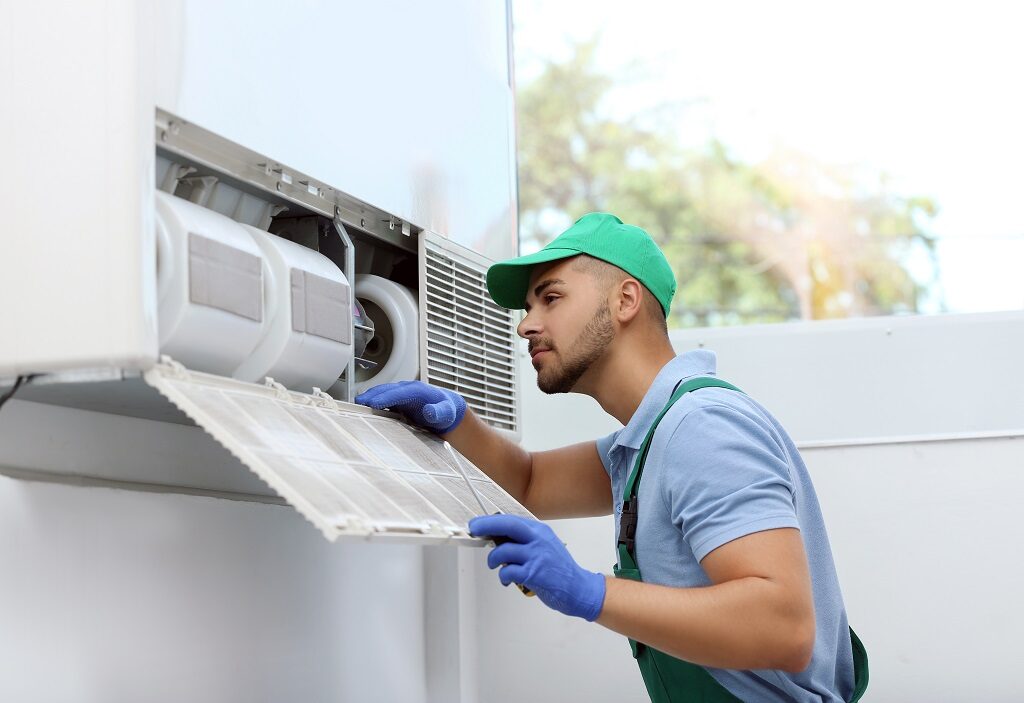
Checking your filters should be your first move. Most filters need cleaning or replacing every one to three months, depending on usage and whether you have pets. It’s a quick job that can make a massive difference to your system’s performance.
Low Refrigerant Levels and What They Mean
If clean filters don’t solve the problem, low refrigerant levels could be the issue. Refrigerant is the substance that actually absorbs heat from your indoor air. When levels drop—usually due to a leak—your system simply can’t cool effectively.
Signs of low refrigerant include ice forming on the refrigerant lines, hissing sounds near the unit, and higher energy bills. This isn’t a DIY fix, unfortunately. You’ll need a qualified technician to locate any leaks, repair them, and recharge your system.
Strange Noises Coming from Your AC Unit
What Does It Mean When Your Air Conditioner Makes a Loud Noise?
Air conditioners aren’t silent machines, but they shouldn’t sound like a construction site either. Unusual noises often indicate something’s wrong, and different sounds point to different problems. Paying attention to what you hear can help you identify issues before they become expensive repairs.
Identifying Different Sounds: Buzzing, Rattling, and Squealing
A buzzing sound often suggests electrical issues or a failing compressor. Rattling typically means something’s come loose—perhaps a screw, panel, or debris caught in the unit. Squealing or screeching usually points to belt problems in older systems or issues with the fan motor bearings.
Grinding noises are particularly concerning, as they often indicate motor problems that need immediate attention. Clicking sounds when the unit starts and stops are normal, but constant clicking suggests control issues.
Simple Fixes for Noisy Air Conditioners
Start by checking for obvious causes. Look for loose screws on panels and tighten them. Clear any debris around the outdoor unit, including leaves and twigs. Make sure the unit is sitting level, as an uneven base can cause vibrations.
For persistent noises, especially grinding or screeching, switch off the system and call a technician. Continuing to run a malfunctioning unit can cause further damage and more costly repairs down the track.
Water Leaking from Your Air Conditioning Unit
Why Is My Air Conditioner Leaking Water Inside the House?
Finding water pooling beneath your indoor unit is alarming, but it’s actually one of the more common AC problems. Your air conditioner naturally produces condensation as it cools the air. This moisture usually drains away through a dedicated line. When something blocks that process, water ends up where it shouldn’t.
Blocked Drain Lines and Frozen Evaporator Coils
A clogged condensate drain line is the most frequent cause of indoor leaks. Algae, mould, and debris can build up inside the line over time, preventing water from flowing out. Frozen evaporator coils are another possibility—when these thaw, the excess water can overwhelm the drainage system.
Dirty air filters often contribute to both problems. Restricted airflow can cause coils to freeze, and poor maintenance encourages blockages in drain lines.
Step-By-Step Guide to Clearing a Clogged Drain
Clearing a blocked drain line is something many homeowners can do themselves. First, locate the drain line—usually a PVC pipe near your outdoor unit. Using a wet/dry vacuum, try to suction out the blockage from the outdoor end.
Alternatively, you can pour a mixture of warm water and white vinegar down the drain to break up buildup. For stubborn blockages, a plumber’s snake or compressed air can help. If the problem persists, it’s time to call in a professional.
Air Conditioner Turning on and Off Repeatedly
What Causes Short Cycling in Air Conditioners?
When your AC turns on, runs briefly, then shuts off—only to repeat the cycle constantly—it’s called short cycling. This isn’t just annoying; it puts enormous strain on your system and drives up energy bills. Several factors can trigger this behaviour.
Thermostat Problems and Incorrect Sizing
A faulty thermostat or one placed in a poor location can cause short cycling. If your thermostat sits near a window in direct sunlight or near a heat source, it might get inaccurate readings. This confuses your system and causes erratic behaviour.
An oversized air conditioner is another common culprit. A unit too powerful for your space will cool the area quickly, shut off, then restart when temperatures rise again almost immediately. Proper sizing during installation is crucial.
How to Stop Your AC From Constantly Cycling
Check your thermostat’s location and batteries first. Make sure it’s not affected by drafts, sunlight, or heat-producing appliances. If relocation is needed, consider calling a professional to reinstall it properly.
For oversized units, solutions are trickier. You might need to consult an HVAC specialist about options, which could include zoning systems or, in some cases, replacement with a correctly sized unit.
Unpleasant Smells Coming from Your AC
Why Does My Air Conditioner Smell Bad When I Turn It On?
Nobody wants their home smelling funky every time the AC kicks in. Bad odours from your air conditioner usually indicate something growing or decaying within the system. The type of smell can tell you a lot about the source.
Mould, Mildew, and Musty Odours
Musty smells are the most common complaint and typically point to mould or mildew growth. The dark, damp environment inside your AC is perfect for these organisms. Stale, sock-like odours often indicate dirty filters or clogged drain pans.
A burning smell could suggest electrical problems or overheating components—switch off your system immediately if you notice this. A rotten egg smell might indicate a dead animal in the ductwork, particularly in ducted systems.
How to Clean Your AC and Eliminate Odours
Start by replacing or cleaning your filters. Next, check and clean the drain pan, removing any standing water and scrubbing with a mild bleach solution. For split systems, clean the indoor unit’s vents and accessible coils using a specialised AC cleaning spray.
For persistent odours or suspected mould in ductwork, professional cleaning is recommended. Technicians have the tools and expertise to thoroughly clean areas you can’t easily reach.
The Air Conditioner Won’t Turn on At All
Common Electrical Issues and Tripped Breakers
When your AC won’t start at all, electrical problems are often responsible. Before panicking, check your circuit breaker box. A tripped breaker is an easy fix—simply flip it back on. If it trips again immediately, there’s a bigger issue at play.
Also check that the unit is receiving power. Sometimes the solution is as simple as a switched-off isolator or unplugged power cord.
Faulty Capacitors and Compressor Problems
Capacitors store energy to start your AC’s motors. When they fail, your system might not start, or you’ll hear clicking sounds without the unit powering up. Compressor failures are more serious and often require professional replacement.
Troubleshooting Steps Before Calling a Technician
Before calling for help, work through these basics: check the thermostat settings, replace its batteries, inspect circuit breakers, and confirm all switches are on. Also, check if your system has a reset button and try using it according to manufacturer instructions.
If these steps don’t work, resist the urge to tinker further. Electrical components can be dangerous, and you might void your warranty by attempting DIY repairs.
Preventative Maintenance Tips to Avoid Future Problems
How Often Should You Service Your Air Conditioner?
Professional servicing at least once a year is recommended—ideally before summer when you’ll need your system most. Regular maintenance catches small problems before they become expensive repairs and keeps your system running efficiently.
DIY Maintenance Tasks Every Homeowner Should Know
Between professional services, there’s plenty you can do yourself. Clean or replace filters monthly during heavy use. Keep the outdoor unit clear of vegetation and debris. Wipe down accessible vents and check drain lines regularly.
Running your AC for a few minutes every couple of weeks during winter also helps keep components lubricated and functioning properly.
Choosing a Reliable Air Conditioning Service in Australia
When selecting a service provider, look for licensed technicians with experience servicing your air conditioning. Read reviews, ask for recommendations from friends and family, and get quotes from multiple providers. A good technician will explain issues clearly and won’t pressure you into unnecessary repairs.
Keeping Your Cool All Year Round
Air conditioning problems might seem daunting, but many have simple solutions within reach of any homeowner. From cleaning filters to clearing drain lines, a bit of regular maintenance goes a long way in preventing headaches and keeping your system running smoothly.
The key is catching issues early. Strange noises, reduced cooling, or unexpected smells are your system’s way of telling you something needs attention. Don’t ignore these warning signs—addressing them promptly can save you from costly repairs or premature replacement.
Remember, you don’t have to figure everything out alone. When DIY fixes don’t cut it, or when you’re dealing with electrical components and refrigerant, calling a qualified technician is always the smart move. Stay proactive with maintenance, act quickly when problems arise, and your air conditioner will keep you comfortable through many Australian summers to come.
-
-
-
-
/ 0 Comments