Top 5 Innovative Farm Shed Designs for Modern Australian Properties
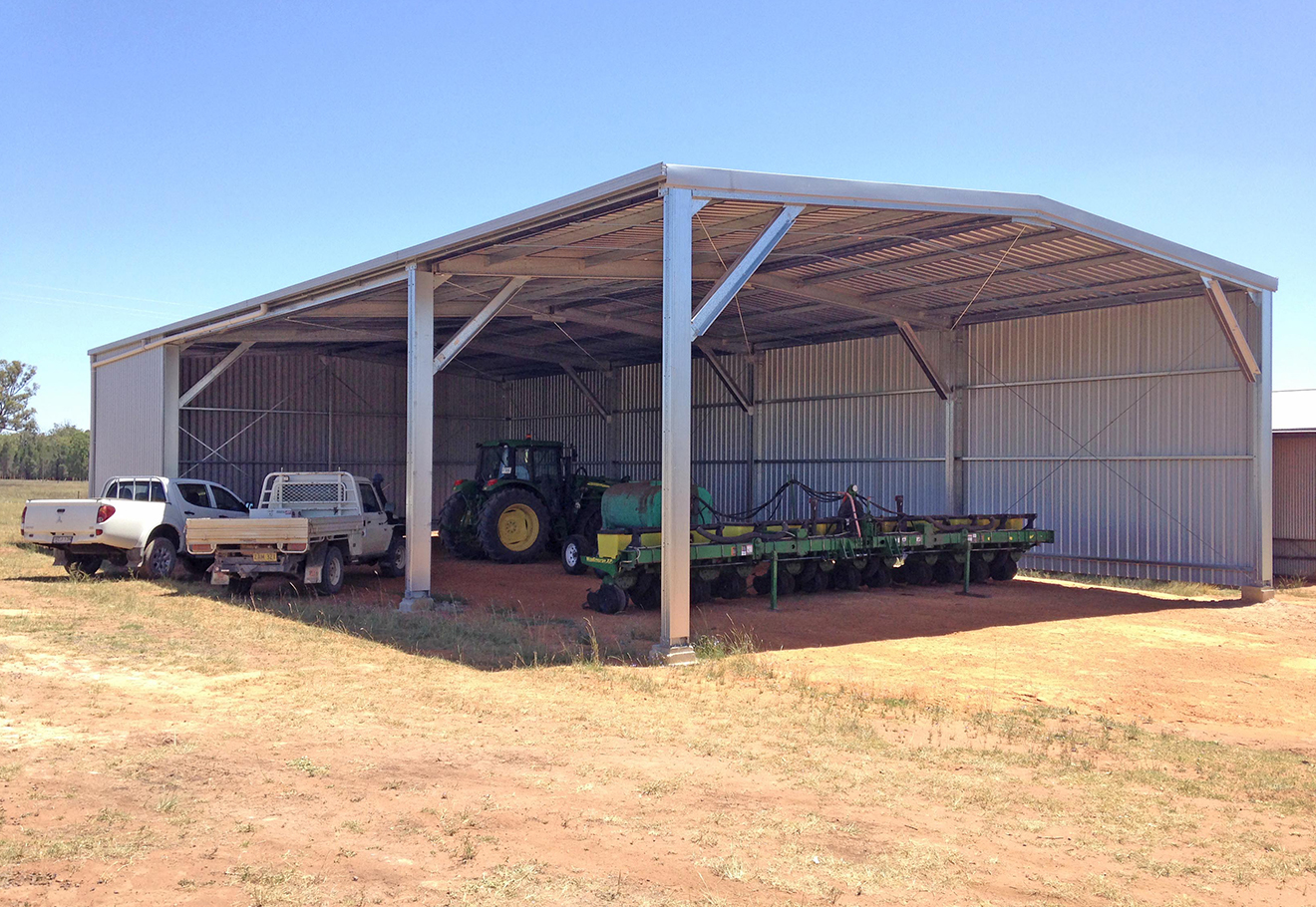
Ever wondered why some farm sheds seem to work effortlessly while others become cluttered, inefficient spaces? Have you noticed how the right shed can completely transform your property’s functionality? And here’s the big question – are you getting the most out of your current farm storage setup?
Choosing the right farm shed isn’t just about having somewhere to park your tractor. It’s about creating a space that grows with your operation, protects your valuable equipment from harsh Australian conditions, and ultimately saves you money in the long run. Whether you’re running a small hobby farm outside Melbourne or managing a larger agricultural enterprise, your shed choice impacts everything from daily workflow to long-term property value.
In this guide, we’ll explore five innovative farm shed designs that are changing the game for Australian farmers and landowners. From multi-purpose structures that do it all to eco-friendly options that slash your energy bills, you’ll discover what makes these designs stand out. Plus, we’ll cover what to look for when choosing a custom shed builder in Melbourne and help you understand the real costs involved. Let’s get stuck into it.
What Makes a Farm Shed Design “Innovative” in 2024?
Before we dive into specific designs, it’s worth understanding what sets modern farm sheds apart from traditional builds. Innovation in shed design isn’t just about fancy features – it’s about smarter use of space, better materials, and designs that actually solve real problems Australian farmers face daily.
Today’s innovative sheds incorporate climate-responsive features, modular construction methods, and sustainable materials that weren’t available even a decade ago. They’re designed with flexibility in mind, recognising that farm operations change over time. What you need today might look completely different in five years.
The best modern designs also consider the Australian climate specifically. We’re talking extreme heat, unpredictable rainfall, and bushfire considerations. A truly innovative shed addresses these challenges head-on rather than treating them as afterthoughts.
1. Multi-Purpose Agricultural Sheds
Combining Storage, Workspace and Livestock Areas
Multi-purpose sheds are absolute game-changers for properties where space comes at a premium. These clever designs combine storage, workspace, and even livestock areas under one roof, maximising every square metre of your investment.
The beauty of a multi-purpose design lies in its zoning. You might have machinery storage at one end, a fully enclosed workshop in the middle, and covered livestock yards at the other. Internal walls can be permanent or removable, depending on your needs. This approach means you’re not building three separate structures – you’re building one that does it all.
How Do I Design a Shed for Multiple Farm Uses?
The key is starting with a clear understanding of your priorities. Make a list of everything you need to house – from equipment to animals to workspace requirements. Then work with your builder to create zones that flow logically. Consider traffic patterns too. You don’t want to be moving hay bales through your workshop every day.
Key features that maximise flexibility include wide clearances between zones, multiple access points, and electrical and plumbing rough-ins throughout. Even if you don’t need a water point in a particular area now, having the infrastructure in place makes future modifications much simpler.
2. Climate-Controlled Storage Sheds
Protecting Produce and Equipment in Australian Conditions
Australian summers are brutal on stored equipment and produce. Without proper climate control, you’re looking at accelerated rust, degraded lubricants, and spoiled harvests. Climate-controlled sheds address these issues through intelligent ventilation, quality insulation, and strategic design choices.
These sheds maintain more stable internal temperatures, reducing the extreme fluctuations that cause condensation and moisture damage. For farmers storing high-value equipment or temperature-sensitive produce, this protection pays for itself remarkably quickly.
What Is the Best Shed Design for Hot Climates?
For hot Australian conditions, the best designs incorporate several features. Light-coloured roof cladding reflects heat rather than absorbing it. Ridge vents allow hot air to escape naturally through convection. Insulated roof panels can reduce internal temperatures by up to 10 degrees compared to uninsulated structures.
Ventilation and insulation options worth considering include whirlybirds for passive airflow, louvred wall panels for cross-ventilation, and spray-foam insulation for premium temperature control. The right combination depends on what you’re storing and your budget. A reputable custom shed builder in Melbourne can advise on the most cost-effective solution for your specific situation.
3. Machinery and Equipment Sheds
Heavy-Duty Designs for Tractors and Harvesters
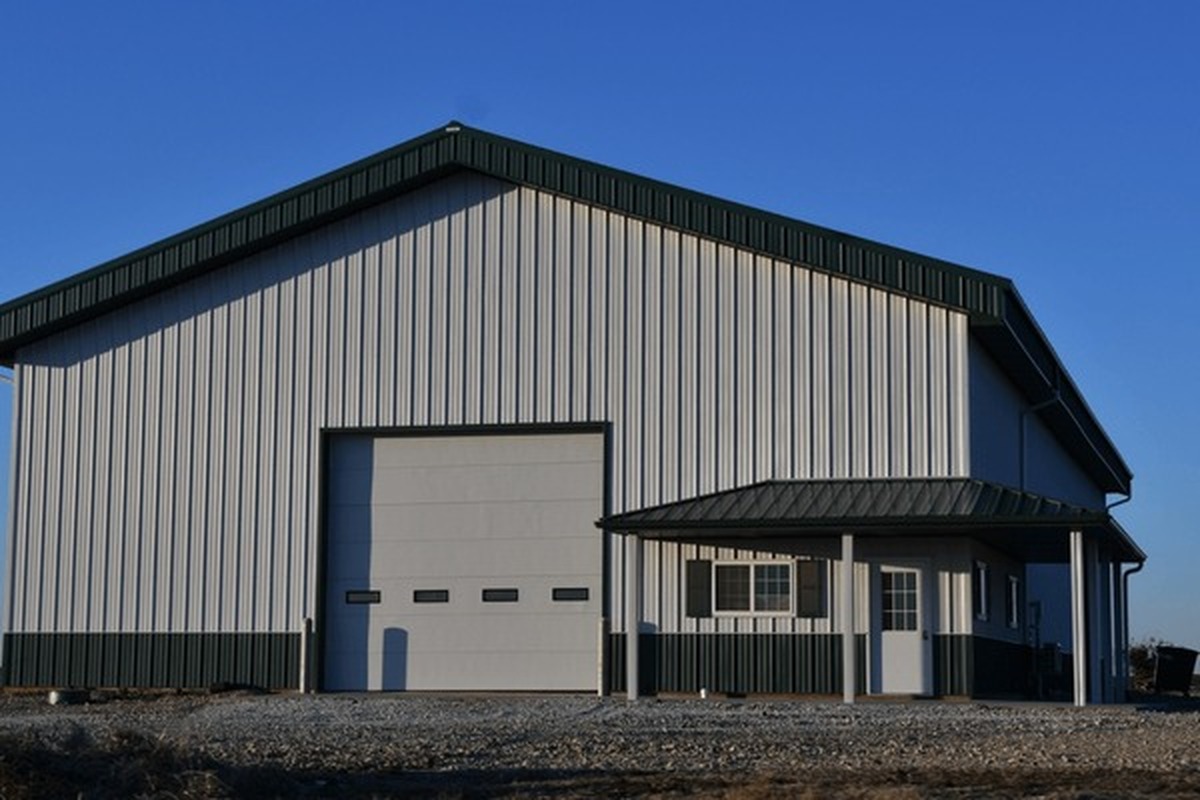
When it comes to housing serious farm machinery, standard shed designs simply won’t cut it. Heavy-duty machinery sheds require reinforced frames, higher clearances, and flooring that can handle significant weight loads day after day.
Modern machinery sheds use portal frame construction with engineered steel members sized specifically for the loads they’ll carry. This isn’t a place to cut corners – an undersized frame can lead to structural problems down the track.
How Big Should a Farm Machinery Shed Be?
The golden rule is to plan bigger than you think you need. Measure your largest piece of equipment, then add generous clearance on all sides for manoeuvring and maintenance access. A good starting point is adding at least 1.5 metres to each side and 600mm to the height of your tallest machine.
Access, clearance and flooring considerations are crucial. Wide roller doors allow easy entry, while concrete flooring with proper load ratings prevents cracking. Consider including a dedicated maintenance bay with good lighting and a sealed floor for working on equipment without environmental concerns.
4. Sustainable and Eco-Friendly Shed Designs
Solar Integration and Rainwater Harvesting Features
Sustainability isn’t just good for the planet – it’s good for your wallet. Modern eco-friendly sheds incorporate solar panels on their expansive roof areas, generating power for your property while providing shade for whatever’s stored below.
Rainwater harvesting is another brilliant addition. A large shed roof can capture thousands of litres during a single rainfall event. This water can supply livestock, irrigation systems, or even household needs with appropriate filtration.
Are Steel Sheds More Environmentally Friendly Than Timber?
This question sparks plenty of debate. Steel sheds offer significant advantages in terms of longevity and recyclability. Modern steel is highly recyclable, and a well-maintained steel shed can last 50+ years with minimal upkeep. Timber requires more ongoing maintenance and is susceptible to termites – a real concern in many Australian regions.
Long-term cost savings of green shed design are substantial. Solar panels can offset electricity costs entirely, while rainwater harvesting reduces reliance on mains water or bore pumps. Many farmers report their sustainable features paying for themselves within 7-10 years.
5. Modular and Expandable Farm Sheds
Planning for Future Growth on Your Property
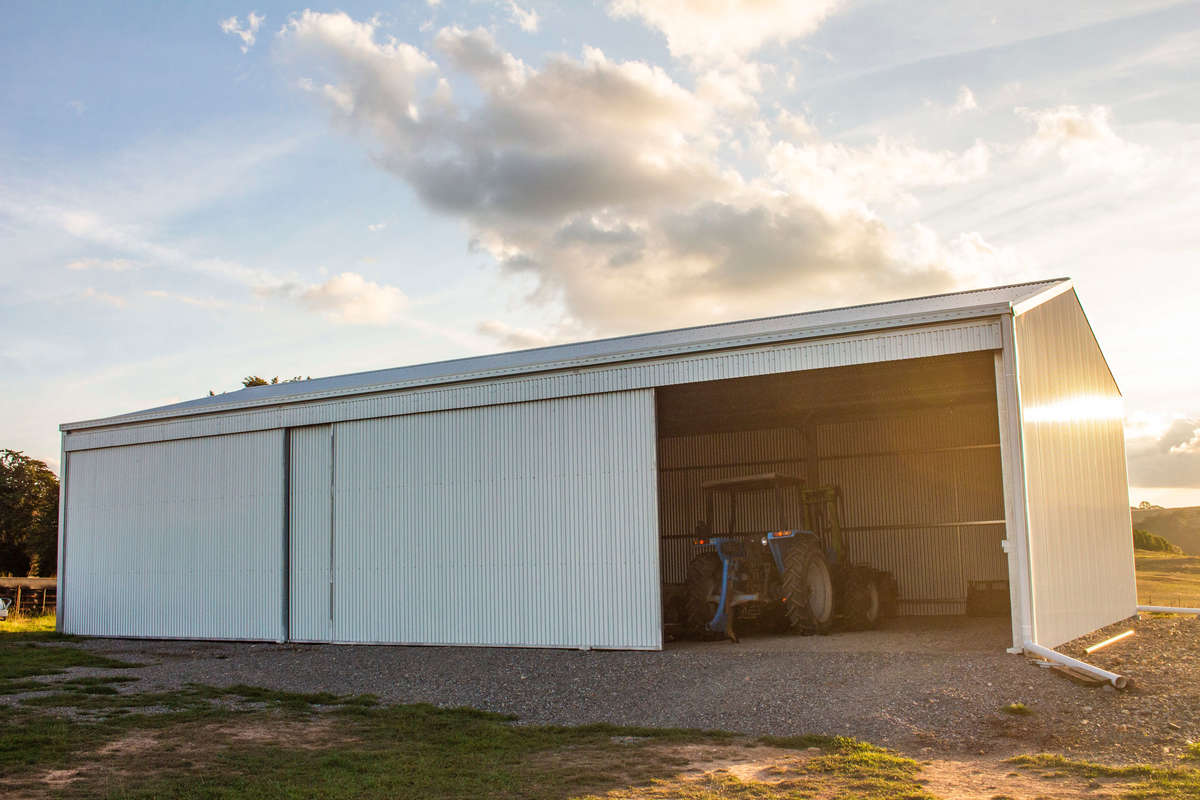
One of the smartest things you can do when building a farm shed is plan for growth. Modular designs allow you to start with what you need now while making future expansion straightforward and cost-effective.
These sheds use standardised connection points and structural elements that allow additional bays to be added later. Your initial investment remains valuable, and you avoid the waste and expense of demolishing and rebuilding when your needs change.
Can You Extend an Existing Farm Shed?
Absolutely – with the right design. The key is ensuring your original structure is built with expansion in mind. This means appropriately sized footings, removable end walls, and roof connections that accommodate additional bays. Talk to your builder about expansion options before construction begins, even if you’re not sure you’ll ever need them.
The benefits of custom modular designs extend beyond simple expansion. They also allow for internal reconfiguration as your operation evolves. Removable internal walls mean you can resize zones without major construction work.
Choosing the Right Custom Shed Builder in Melbourne
What to Look for in a Farm Shed Manufacturer
Not all shed builders are created equal. Look for manufacturers with specific experience in agricultural applications – they’ll understand the unique demands farm environments place on structures. Check for proper licencing, insurance, and a portfolio of completed farm projects.
How Much Does a Custom Farm Shed Cost in Australia?
Pricing varies significantly based on size, features, and site conditions. As a rough guide, basic farm sheds start around per square metre, while fully featured climate-controlled structures can reach per square metre. Get detailed quotes from multiple builders and compare specifications carefully.
Questions to ask before commissioning your build include: What’s included in the quoted price? Who handles council approvals? What warranty do you offer? Can you provide references from similar projects?
Making the Right Investment for Your Property
Choosing the right farm shed design is one of the most important decisions you’ll make for your property. The five innovative designs we’ve explored – multi-purpose, climate-controlled, heavy-duty machinery, sustainable, and modular – each offer distinct advantages depending on your specific needs.
The best choice ultimately depends on your current operations, future plans, and budget. Take time to assess what you really need, not just today but over the coming decades. A well-designed shed becomes an asset that serves your property for generations.
If you’re ready to explore custom sheds in Melbourne, start conversations with reputable builders who understand agricultural requirements. Share your vision, ask plenty of questions, and don’t rush the decision. Your future self will thank you for investing in a shed that truly works for your operation.
-
-
-
-
/ 0 Comments