Smart Apartment EV Charging Systems for Easy Home Charging
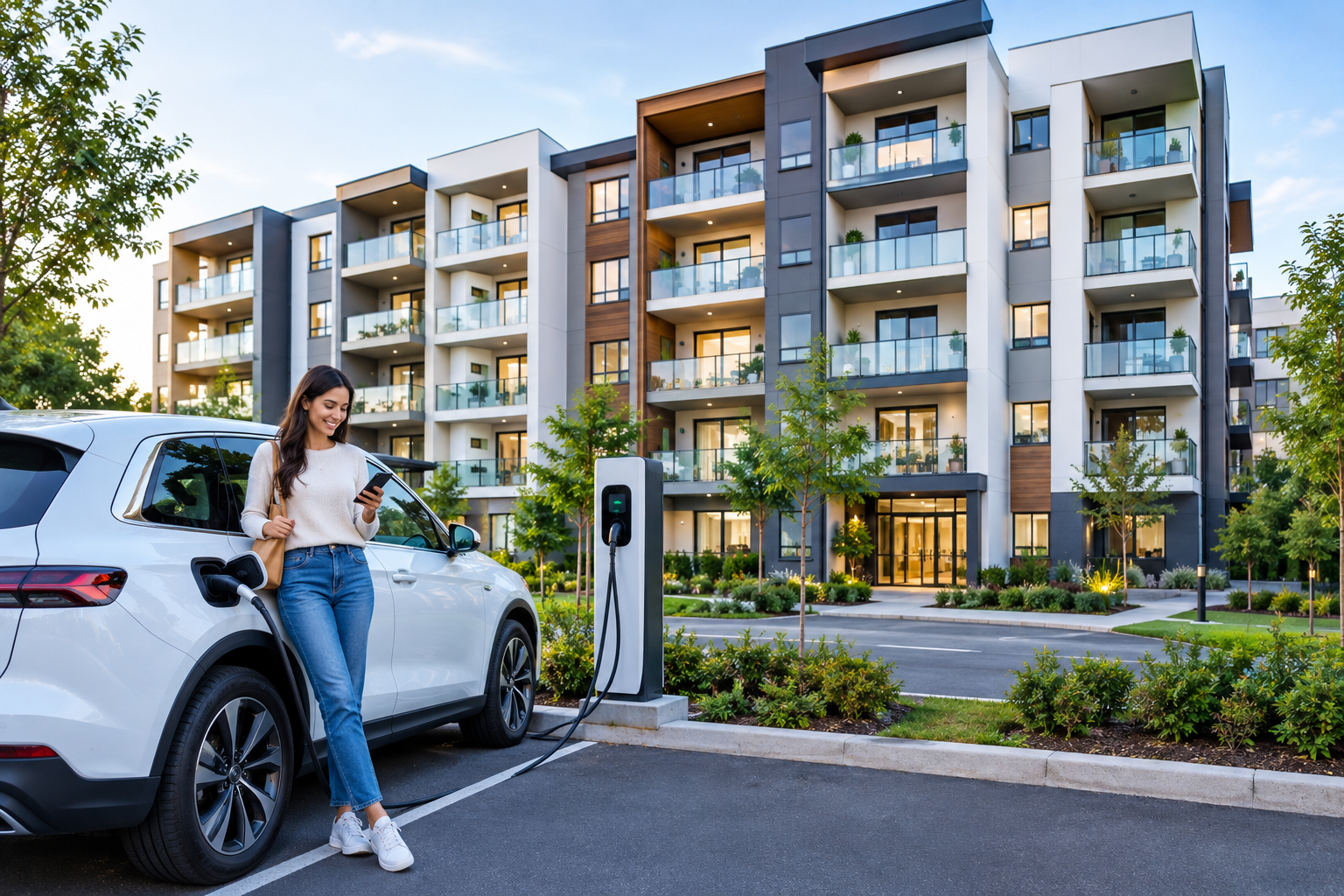
Ever wondered how you’re supposed to charge your electric vehicle when you live in an apartment? Perhaps you’ve been eyeing that shiny new EV but keep putting off the purchase because you’re not sure where you’d actually plug it in. You’re definitely not alone in this dilemma.
The truth is apartment dwellers across Australia are increasingly finding themselves caught between wanting to go electric and the practical challenges of charging at home. Unlike house owners who can simply install a charger in their garage, apartment residents face a maze of strata approvals, shared infrastructure considerations, and electrical capacity limitations.
In this guide, we’ll explore everything you need to know about smart apartment EV charging systems. From understanding what makes these chargers “smart” to navigating strata approval processes, comparing costs, and even learning how to convince your body corporate to get on board—we’ve got you covered. By the end, you’ll have a clear picture of how to make home charging a reality, regardless of whether you own or rent your apartment.
What Are Smart Apartment EV Charging Systems?
Smart apartment EV charging systems are far more than just glorified power points. These clever devices combine charging hardware with sophisticated software to manage how, when, and how much electricity flows to your vehicle.
How Do Smart EV Chargers Differ from Standard Chargers?
Standard chargers simply deliver power to your car at a fixed rate. Smart chargers, on the other hand, connect to the internet and can be controlled remotely via smartphone apps. This means you can start, stop, and schedule charging sessions from anywhere. Plus, they can communicate with your building’s electrical system to avoid overloading circuits during peak usage times.
Key Features of Smart Charging Technology
The real magic lies in features like dynamic load management, which automatically adjusts charging speeds based on available power. Many smart chargers also offer detailed usage tracking, so you know exactly how much electricity you’ve used. Payment integration, energy cost optimisation, and the ability to charge during off-peak hours when electricity is cheaper are additional benefits that make these systems ideal for apartment living.
Can You Install an EV Charger in an Apartment Building?
The short answer is yes—but it’s rarely as simple as calling an electrician. Installing an EV charger in an apartment building typically requires approval from your strata committee or body corporate.
Understanding Strata Approval and Body Corporate Requirements
In Australia, any modification to common property requires strata approval. This usually means submitting a formal application outlining your proposed installation, including technical specifications, electrical requirements, and how costs will be managed. Some states have introduced legislation making it easier for owners to get approval, but the process varies significantly across different jurisdictions.
Common Barriers to Apartment EV Charging Installation
Several obstacles can stand in your way. Limited electrical capacity is a big one—older buildings may not have the infrastructure to support multiple chargers. There’s also the question of who pays for installation and ongoing electricity costs. Some strata committees worry about liability issues or simply don’t understand the technology well enough to approve it.
Your Rights as an Apartment Owner or Renter
As an owner, you generally have stronger rights to request modifications. Several Australian states now have “right to charge” legislation that makes it harder for strata committees to unreasonably refuse EV charger installations. Renters face a trickier situation and typically need both landlord and strata approval. However, the landscape is shifting, and more protections for EV owners are emerging.
Types of EV Charging Solutions for Apartments
There’s no one-size-fits-all approach to apartment charging. The right solution depends on your building’s layout, electrical capacity, and how many residents want to charge EVs.
Individual Charger Installations
This approach involves installing a dedicated charger in your allocated parking space. It’s straightforward if you have your own car park with nearby electrical access. You’ll typically pay for the installation and electricity yourself, which keeps things simple from a billing perspective.
Shared Charging Infrastructure
For buildings where individual installations aren’t practical, shared charging stations offer an alternative. These are typically located in visitor parking areas or designated EV bays. Residents book time slots or simply use the charger when available, with costs tracked through an app-based system.
Load Management and Smart Distribution Systems
This is where smart technology really shines. Load management systems allow multiple chargers to operate simultaneously without overloading the building’s electrical supply. The system intelligently distributes available power across all connected vehicles, slowing charging speeds when demand is high and speeding up when capacity allows.
How Much Does It Cost to Install an EV Charger in an Apartment?
Understanding costs upfront helps you plan effectively and make a compelling case to your strata committee.
Equipment and Installation Costs
A quality smart charger typically costs between $1,000 and $2,500 for the unit alone. Installation costs vary dramatically—from around $500 for simple setups to $5,000 or more if significant electrical work is required. The distance between your parking space and the electrical supply is often the biggest cost factor.
Ongoing Running Costs and Electricity Billing
Charging an EV at home typically costs between $4 and $8 per 100 kilometres, depending on electricity rates. Smart chargers can reduce costs by scheduling charging during off-peak periods when rates are lowest—often late at night.
Available Rebates and Incentives in Australia
Several Australian states offer rebates for EV charger installations. NSW, Victoria, and Queensland all have programs that can significantly offset upfront costs. It’s worth checking your state’s current offerings, as these incentives change regularly and can save you thousands of dollars.
What Is the Best EV Charger for Home Use in Apartments?
Choosing the right charger requires balancing features, compatibility, and budget.
Top Smart Charger Features for Apartment Living
Look for chargers with robust load management capabilities—essential for apartment settings. App-based controls, detailed usage reporting, and the ability to set charging schedules are must-haves. OCPP (Open Charge Point Protocol) compatibility ensures your charger can integrate with various management systems.
Comparing Popular Smart Charging Brands
Popular options in Australia include Zappi, which offers excellent solar integration features. Wallbox is known for sleek design and user-friendly apps. Tesla’s Wall Connector works brilliantly with Tesla vehicles but also charges other brands. For apartment buildings considering shared infrastructure, providers like Evie Networks and ChargeFox offer comprehensive management platforms.
How Does Billing Work for Shared Apartment EV Chargers?
Fair and transparent billing is crucial for shared charging success.
Individual Metering Solutions
Some installations include dedicated meters for each charger, allowing precise tracking of individual usage. This keeps things transparent and ensures everyone pays only for what they use.
App-Based Payment and Usage Tracking
Most modern systems use smartphone apps that track exactly how much electricity each user consumes. Payments can be processed automatically through linked credit cards, or usage data can be provided to strata for inclusion in individual utility bills.
Benefits of Smart EV Charging for Apartment Residents and Building Owners
The advantages extend far beyond simply having somewhere to plug in your car.
Convenience and Flexibility
Imagine waking up every morning to a fully charged vehicle without ever visiting a public charging station. Smart charging makes this possible, with the flexibility to control everything from your phone.
Increased Property Value
Buildings with EV charging infrastructure are increasingly attractive to buyers and renters. As EV adoption grows, this infrastructure becomes a genuine selling point that can boost property values.
Environmental and Cost Savings
Charging at home is typically cheaper than public fast-charging stations. When combined with solar panels or off-peak electricity rates, the savings become even more significant. You’re also reducing your carbon footprint, particularly if your building uses renewable energy.
How to Convince Your Strata to Install EV Charging
Getting strata approval often requires persistence and preparation.
Building a Compelling Case
Come prepared with detailed information about costs, benefits, and how similar buildings have successfully implemented charging. Emphasise property value increases and the growing demand for EV infrastructure.
Addressing Common Concerns and Objections
Anticipate worries about electrical capacity, costs, and fairness to non-EV owners. Present solutions like user-pays models and load management systems that address these concerns directly.
Future-Proofing Your Apartment Building for Electric Vehicles
Even if only a few residents currently own EVs, planning for increased demand makes sense. Consider installing electrical backbone infrastructure now, making future charger additions simpler and cheaper. Buildings that plan ahead will avoid costly retrofitting down the track.
Making Smart Home Charging a Reality in Your Apartment
Smart apartment EV charging systems have transformed what’s possible for apartment dwellers wanting to embrace electric vehicles. From sophisticated load management to app-based billing, the technology now exists to make apartment charging convenient, fair, and affordable.
The journey might require some patience—navigating strata approvals and choosing the right system takes time. However, with state incentives, improving technology, and growing community acceptance, there’s never been a better moment to push for EV charging in your building.
Whether you’re an owner looking to install your own charger or someone keen to advocate for shared building infrastructure, the path forward is clearer than ever. Start the conversation with your strata committee, gather information, and take that first step toward hassle-free home charging. Your future self—and the environment—will thank you for it.
-
-
-
-
/ 0 Comments