Planning a Load Bearing Wall Removal? Here is What to Know
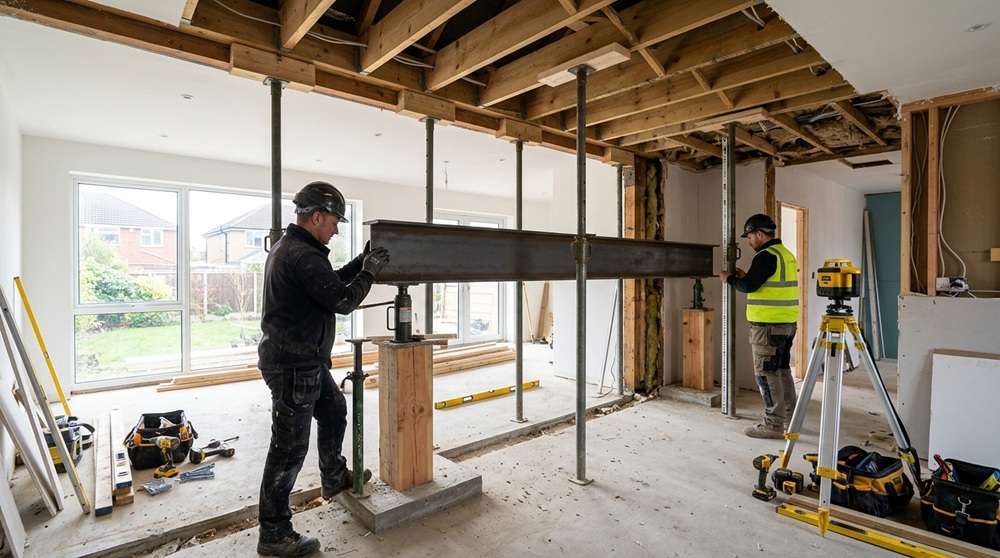
Removing a load bearing wall can completely change how a home feels. It opens up space makes light better and creates a more modern floor plan that many buyers love. In Australias real estate market a done load bearing wall removal often adds a lot of value to a property. It also offers benefits like better flow between rooms, easier furniture arrangement and the ability to add large windows or doors that weren’t possible before.
Understanding Load Bearing Walls in Homes
What Makes a Wall Load Bearing?
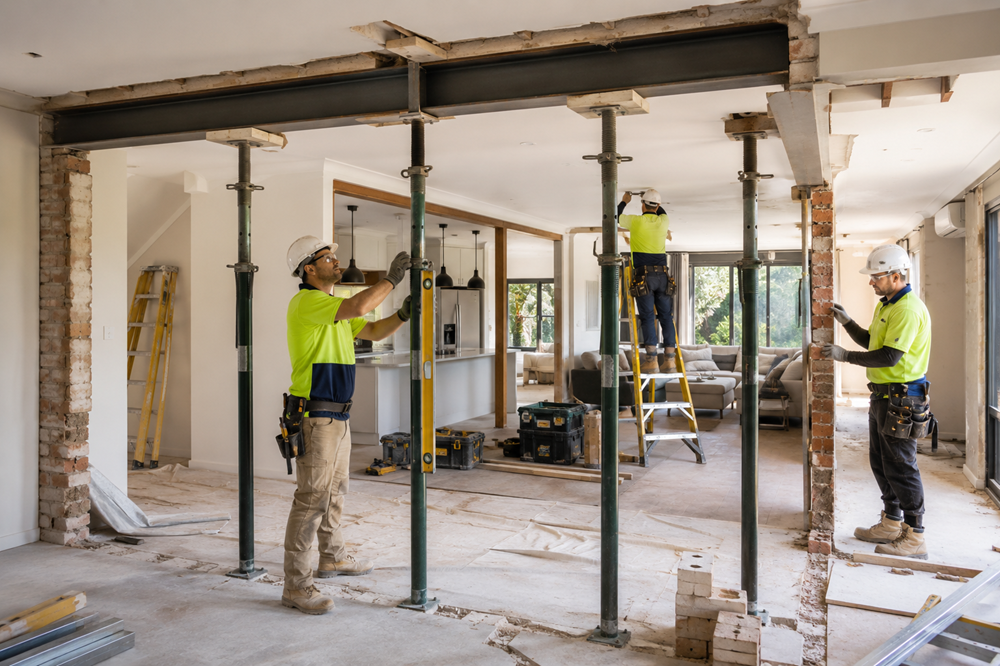
A load bearing wall supports the weight of the floor or roof above it and transfers that load down to the foundation. In Australian houses built after the 1970s these walls are often made of timber studs, concrete blocks or brick. The wall’s role is identified by its position in the system the size of the joists it supports and the presence of beams or columns that intersect it.
Common Locations in Aussie Houses
Typical load bearing walls are found:
- Along the centre of the house where floor joists meet.
- Between the kitchen and living area in open plan renovations.
- Behind staircases as the stair stringer often rests on a load bearing wall.
- At the ends of spans especially in older brick veneer homes.
Legal and Regulatory Requirements
National Building Code (NBC) and Australian Standards
The Australian Building Code Board sets the National Construction Code. Any load bearing wall removal must comply with this code, the structural provisions. These standards ensure that the new support system can safely carry the loads previously handled by the wall.
State and Territory Variations
Each state and territory may have requirements. For example:
- New South Wales – The Home Building Act and local council regulations.
- Victoria – The Building Act and the Victorian Building Authority guidelines.
- Queensland – The Building Act and Queensland Building and Construction Commission standards.
- Western Australia – The Building Act and the Building Commission’s approvals.
Before starting any work check with the state authority to confirm the exact documentation needed.
Permits and Approvals
In Australian jurisdictions a building permit is required for load bearing wall removal. The permit process typically includes:
- Submitting calculations prepared by a qualified engineer.
- Providing construction drawings that show the new support.
- Obtaining council approval, especially if the work affects the façade or heritage listed properties.
Failure to secure the permit can lead to fines or issues when selling the property.
Choosing the Right Contractor
- Check for a builder’s licence in your state or territory.
- Ask for proof of indemnity insurance.
- Request a portfolio of load bearing wall removal projects.
- Confirm that the contractor works with a structural engineer.
- Get a written quote that breaks down labour, materials and permits.
Impact on Property Value and Real Estate Market
In Australia’s property market a done load bearing wall removal can boost resale value. Buyers often pay more for open plan living spaces in cities like Sydney, Melbourne and Brisbane. However it’s essential to keep the renovation in line with the neighbourhood’s character.
Common Challenges and How to Overcome Them
- hidden services: Conduct a thorough pre demolition survey to locate pipes and wiring.
- Structural surprises: Have a contingency fund for steel or timber if needed.
- Council delays: Submit all paperwork early. Maintain open communication with the council.
- Dust: Schedule work for times that minimise disruption to neighbours.
- Finishing mismatches: Choose finishing materials that match the existing style.
Answers: Common Questions About Load bearing wall removal in Australia
Q: Do I need a council permit for load bearing wall removal in NSW?
A: Yes. In New South Wales any alteration that affects a building’s integrity requires a development consent. You must submit drawings and calculations to the local council.
Q: How long does the approval process usually take?
A: The timeline varies by council. Most approvals are granted within a few weeks if all documentation is complete.
Q: Can I do load bearing wall removal myself?
A: No it is not advisable to undertake load bearing wall removal without a professional.
Q: What are the common support alternatives after removing a wall?
A: The common alternatives are steel beams, timber beams and concrete lintels.
Q: Will removing a load bearing wall affect my home insurance?
A: If the work is done with permits and certified professionals insurance coverage remains unaffected.
Conclusion
Removing a load bearing wall is a major decision that can transform a property and improve everyday living. By understanding the role of the wall complying with regulations and partnering with licensed engineers and builders you can navigate the process safely. Start with an assessment secure the necessary permits and plan a realistic budget. With planning and the right team your load bearing wall removal will add value and create the open space that Australian homebuyers love.
-
-
-
-
/ 0 Comments