Modern Pest Control Solutions for Urban Homes
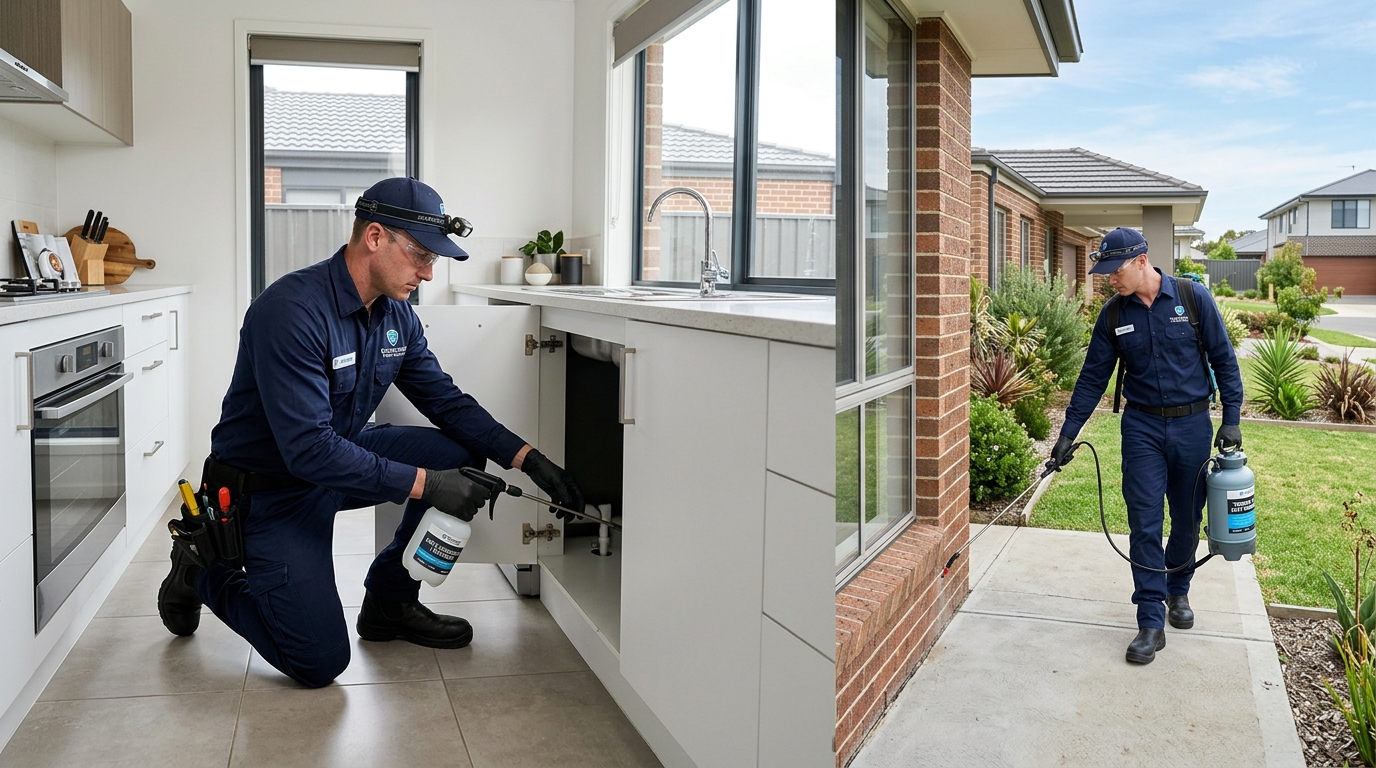
Urban living offers convenience, accessibility, and a vibrant lifestyle, but it also comes with unique challenges one of which is managing pests. From crowded apartment complexes to high-density residential neighborhoods, urban homes are particularly susceptible to infestations by rodents, cockroaches, ants, termites, and other common pests. These intruders not only create hygiene and health risks but also compromise the comfort and safety of your home. This makes pest control a critical aspect of urban property management.
Adopting innovative pest control strategies for urban living is essential for homeowners and property managers seeking efficient, safe, and sustainable solutions. Modern urban environments require more than traditional pest control methods. Professionals now employ technology-driven approaches, eco-friendly products, and preventive techniques to protect homes without disrupting daily life.
Why Urban Homes Require Specialized Pest Control
Urban homes face unique conditions that increase the likelihood of pest infestations:
- High Population Density: More people mean more waste and food sources for pests like rodents and cockroaches.
- Limited Outdoor Space: Crowded areas make it easier for pests to migrate from neighboring properties.
- Aging Infrastructure: Older buildings often have cracks, gaps, or leaks, providing entry points for pests.
- Environmental Factors: Urban heat islands and poor drainage contribute to pest-friendly conditions.
These factors necessitate tailored pest control solutions that address the specific risks associated with urban living.
Common Urban Pests
Understanding the most common pests in urban areas can help in developing effective management strategies:
- Rodents: Rats and mice thrive in cities, feeding on garbage and nesting in walls, basements, and attics.
- Cockroaches: Resilient and fast-breeding, cockroaches are a major hygiene concern in kitchens and shared spaces.
- Ants: Carpenter ants can damage wooden structures, while sugar ants infest kitchens and pantries.
- Termites: Subterranean and drywood termites can silently damage wooden beams, furniture, and flooring.
- Mosquitoes and Flies: Standing water and poor sanitation in urban areas encourage mosquito breeding, increasing the risk of diseases.
- Bed Bugs: Common in high-density housing, hotels, and public transport, bed bugs affect comfort and health.
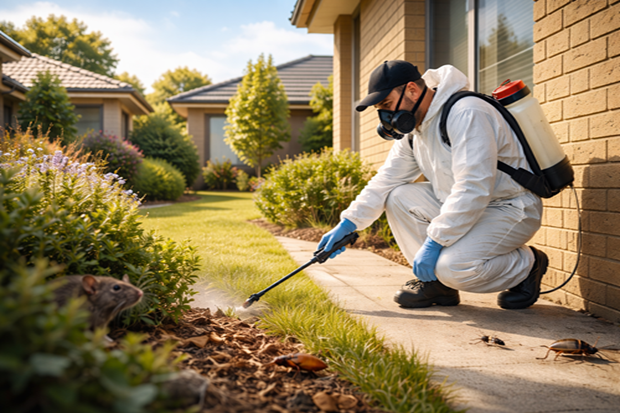
Key Components of Modern Pest Control Solutions
Professional pest control in urban homes now goes beyond reactive treatments. Modern solutions focus on prevention, monitoring, and environmentally responsible practices.
Integrated Pest Management (IPM)
IPM combines preventive measures, monitoring, and targeted treatments to control pests efficiently. This approach minimizes chemical use and focuses on long-term solutions rather than temporary fixes.
Eco-Friendly Treatments
Sustainable pest control products reduce harmful chemical exposure while effectively eliminating pests. Many urban residents prefer green solutions to protect children, pets, and indoor air quality.
Smart Monitoring Systems
Technology has revolutionized pest management in urban homes. Smart traps and sensors allow real-time monitoring of pest activity, enabling timely interventions before infestations escalate.
Targeted Chemical Treatments
Where necessary, professionals use precise applications of pesticides to minimize exposure while maximizing effectiveness. This ensures pest control without impacting the health of residents.
Structural and Environmental Controls
Sealing cracks, fixing leaks, and improving ventilation are critical preventive measures. Proper waste management and moisture control reduce breeding grounds for pests.
Benefits of Professional Urban Pest Control
Employing professional pest control services in urban homes offers several advantages:
- Health Protection: Prevents disease transmission from rodents, insects, and other pests.
- Property Preservation: Protects furniture, wiring, flooring, and wooden structures from damage.
- Peace of Mind: Ensures a safe, hygienic, and comfortable living environment.
- Long-Term Cost Savings: Preventive and strategic approaches reduce the need for repeated treatments or costly repairs.
- Compliance with Regulations: Helps property managers adhere to urban health and safety standards.
DIY Pest Control vs. Professional Services
While DIY methods like traps, sprays, and repellents may offer temporary relief, they often fail to address the root cause of infestations. Urban homes require expert interventions that consider complex building layouts, neighboring properties, and high population density. Professional pest control providers use advanced techniques and products that deliver effective and lasting results.
Seasonal Considerations for Urban Pest Control
Pests in urban areas are influenced by seasonal changes.
- Summer: Increased warmth and humidity boost mosquito and fly populations.
- Monsoon/Rainy Season: Standing water encourages breeding of mosquitoes and other water-loving insects.
- Winter: Rodents often seek shelter indoors as temperatures drop.
Professional pest control plans are designed to adapt to seasonal challenges, providing continuous protection year-round.
Tips for Maintaining a Pest-Free Urban Home
Homeowners can complement professional services with proactive measures:
- Keep food stored in sealed containers and maintain clean kitchen surfaces.
- Dispose of garbage promptly and regularly to reduce attractants.
- Fix leaks and improve drainage to prevent moisture accumulation.
- Regularly inspect basements, attics, and hidden spaces for early signs of infestation.
- Seal cracks, gaps, and other potential entry points in walls, windows, and doors.
Choosing the Right Pest Control Provider
Selecting a professional pest control company is crucial for effective and safe solutions. Key considerations include:
- Experience and Certification: Ensure the provider is licensed and experienced with urban property challenges.
- Customized Treatment Plans: Each home is unique; treatments should be tailored to specific risks and building layouts.
- Eco-Friendly Options: Green pest control products protect residents and the environment.
- Follow-Up and Monitoring: Long-term protection requires continuous monitoring and preventive visits.
Conclusion
Urban homes face unique pest-related challenges due to high population density, limited space, and aging infrastructure. Ignoring these issues can lead to health risks, property damage, and a decline in comfort and value.
-
-
-
-
/ 0 Comments