Why Do Roofing and Cladding Services Matter When Energy Efficiency Becomes a Priority for Building Owners?
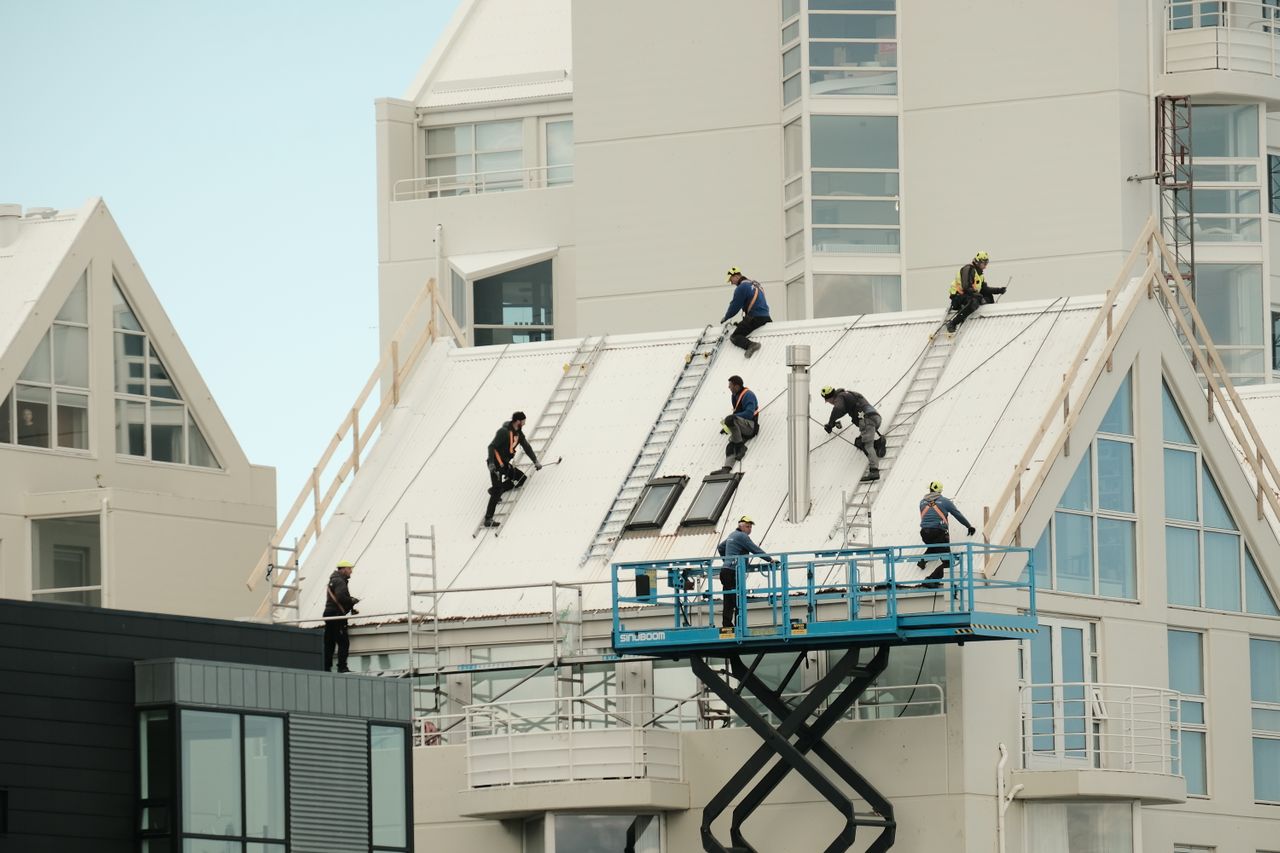
When building owners begin focusing more seriously on energy efficiency, attention often turns first to lighting, equipment, and heating or cooling systems. Those areas matter, but the outer shell of a building plays an equally important role in how energy is gained, lost, and controlled throughout the year. Roofing and cladding services matter because they help strengthen the surfaces that separate indoor conditions from outside weather. If those exterior elements are worn, poorly sealed, or no longer performing well, the building may consume more energy than necessary just to maintain stable indoor temperatures. That makes exterior performance a practical part of long-term efficiency planning.
Exterior Efficiency Matters
- Roofing Performance Affects Heat Gain and Heat Loss
The roof has a major influence on energy use because it covers one of the largest exposed surfaces on a building and is subject to constant sunlight, temperature shifts, wind, and moisture. When roofing materials begin to deteriorate, when seams weaken, or when insulation beneath the roof no longer performs as intended, the building may begin to experience greater heat gain during warmer periods and greater heat loss during cooler ones. That forces heating and cooling systems to work harder to compensate for conditions that the building envelope should control. Roofing services matter in this situation because they help restore the upper structure’s ability to resist unnecessary energy transfer. Repairing damaged sections, improving surface condition, maintaining drainage, and identifying weak points can all contribute to better thermal performance over time. A building owner trying to reduce operational strain may focus on internal equipment first, but the roof often determines how much pressure is placed on that equipment. When the roof performs more reliably, indoor temperatures become easier to manage without relying so heavily on mechanical correction throughout the day.
- Cladding Helps Create a More Controlled Building Envelope
Cladding services matter for energy efficiency because exterior wall systems influence how much outside temperature affects the indoor environment. Commercial walls face sun exposure, wind-driven moisture, daily thermal movement, and prolonged environmental pressure that can gradually reduce the building’s resistance to heat flow if the cladding system is neglected. When panels, joints, fasteners, sealants, or protective layers begin to weaken, the building envelope can become less effective at maintaining interior stability. This does not always show up as obvious damage immediately. Still, it often appears gradually through uneven indoor comfort, higher heating and cooling demand, and a growing disconnect between system use and actual performance. In many property discussions, phrases such as “roof repair in Canberra” may highlight roof-related concerns. Yet, wall cladding plays an equally important role in helping the building retain energy more effectively against side exposure. Proper cladding support can reduce unwanted heat transfer, enhance weather resistance, and help the building operate more consistently. When energy efficiency becomes a real priority, wall performance is no longer just a cosmetic concern. It becomes part of how the property controls long-term operating demand.
- Exterior Weakness Can Increase Mechanical Strain Indoors
A building with inefficient roofing or underperforming cladding often places a heavier burden on its internal systems, especially heating and cooling equipment that must constantly respond to temperature fluctuations. If heat enters too easily during hot weather or escapes too quickly during cooler conditions, indoor systems are forced into longer cycles and more frequent adjustments just to keep spaces usable. That added strain can raise utility costs while also increasing wear on equipment that would otherwise operate under more balanced conditions. Roofing and cladding services matter because they help reduce the causes of that strain at the building’s outer edge, rather than asking mechanical systems to solve everything alone. When the envelope performs better, the building starts working with its internal systems instead of against them. This can improve comfort across offices, retail spaces, shared areas, and tenant zones that depend on more stable temperature control throughout the day. Owners who are serious about energy efficiency often discover that indoor performance and exterior condition are directly linked. The more secure the building envelope becomes, the easier it is for internal systems to operate more steadily and less wastefully.
- Better Insulation Support Improves Long-Term Efficiency
Energy efficiency is not only about preventing obvious air leaks or water entry. It is also about preserving the full performance of the materials that help slow heat transfer through the building envelope. Roofing and cladding services support this goal by helping protect insulation layers and surrounding assemblies from moisture, wear, and gradual deterioration. If exterior systems allow water intrusion or thermal stress to affect those hidden layers, insulation performance can decline even when the inside of the building still looks normal. Over time, that hidden decline can undermine the owner’s energy goals by making heating and cooling less effective and more expensive. Exterior services matter because they help keep the visible surfaces and the supporting layers behind them functioning together. A roof or wall system is not simply a finished outer covering. It is part of a larger construction assembly that contributes to how well the building holds conditioned air and resists outside temperature pressure. When these assemblies are maintained properly, the building retains more of the efficiency built into it. When they are neglected, energy performance often erodes quietly until higher operating costs force attention back to the envelope.
- Energy Efficiency Also Depends on Moisture Control
Moisture management is another reason roofing and cladding services matter when building owners prioritize efficiency. Water intrusion does more than cause visible staining or structural concerns. It can also reduce insulation effectiveness, weaken materials, and create conditions that interfere with the building’s ability to maintain consistent thermal performance. A wet or damaged section of the building envelope may lose much of its intended resistance to external conditions, making it harder to preserve conditioned indoor air. Roofing and cladding services help reduce this risk by protecting vulnerable joints, drainage paths, seams, transitions, and surface areas where long-term exposure can allow moisture to enter gradually. In commercial properties, that kind of protection has direct operational value because energy efficiency depends on stable building assemblies rather than only on well-functioning mechanical equipment. If the outer shell is compromised by moisture, the owner may end up paying more to heat or cool a structure that is no longer holding indoor conditions effectively. That is why exterior care supports efficiency in a very practical way. It helps keep the envelope dry, intact, and better able to perform as part of the building’s broader energy strategy.
- Exterior Improvements Support Smarter Building Investment
When energy efficiency becomes a priority, building owners often think beyond short-term savings. They are usually looking for ways to reduce ongoing operating costs, improve tenant comfort, preserve asset value, and make the property perform more responsibly over time. Roofing and cladding services support these goals by treating the building envelope as a long-term energy asset rather than a surface to be repaired only when visible damage appears. A more efficient building is often one in which exterior systems, insulation layers, and indoor climate control support one another rather than conflict. Roofing and cladding work can help owners move closer to that balance by improving resistance to heat transfer, protecting structural layers, and reducing the environmental stress placed on the building year after year. These improvements may also help a property remain more competitive in markets where operating efficiency, tenant expectations, and long-term upkeep increasingly influence decision-making. Once owners begin viewing the exterior as part of the energy plan, roofing and cladding services become less about isolated repairs and more about strengthening the building’s ability to perform consistently across changing weather conditions.
Efficiency Depends on the Whole Envelope
Roofing and cladding services matter when energy efficiency becomes a priority because they help the building hold indoor conditions more effectively, reduce strain on mechanical systems, protect insulation performance, and limit the energy loss that can develop through a weakened exterior. For building owners, efficiency is rarely achieved through one upgrade alone. It depends on how well the overall structure supports the goals of comfort, cost control, and long-term performance. When the exterior envelope is maintained with energy use in mind, the entire building becomes easier to manage. That is why these services remain an important part of practical efficiency planning.
-
-
-
-
/ 0 Comments